
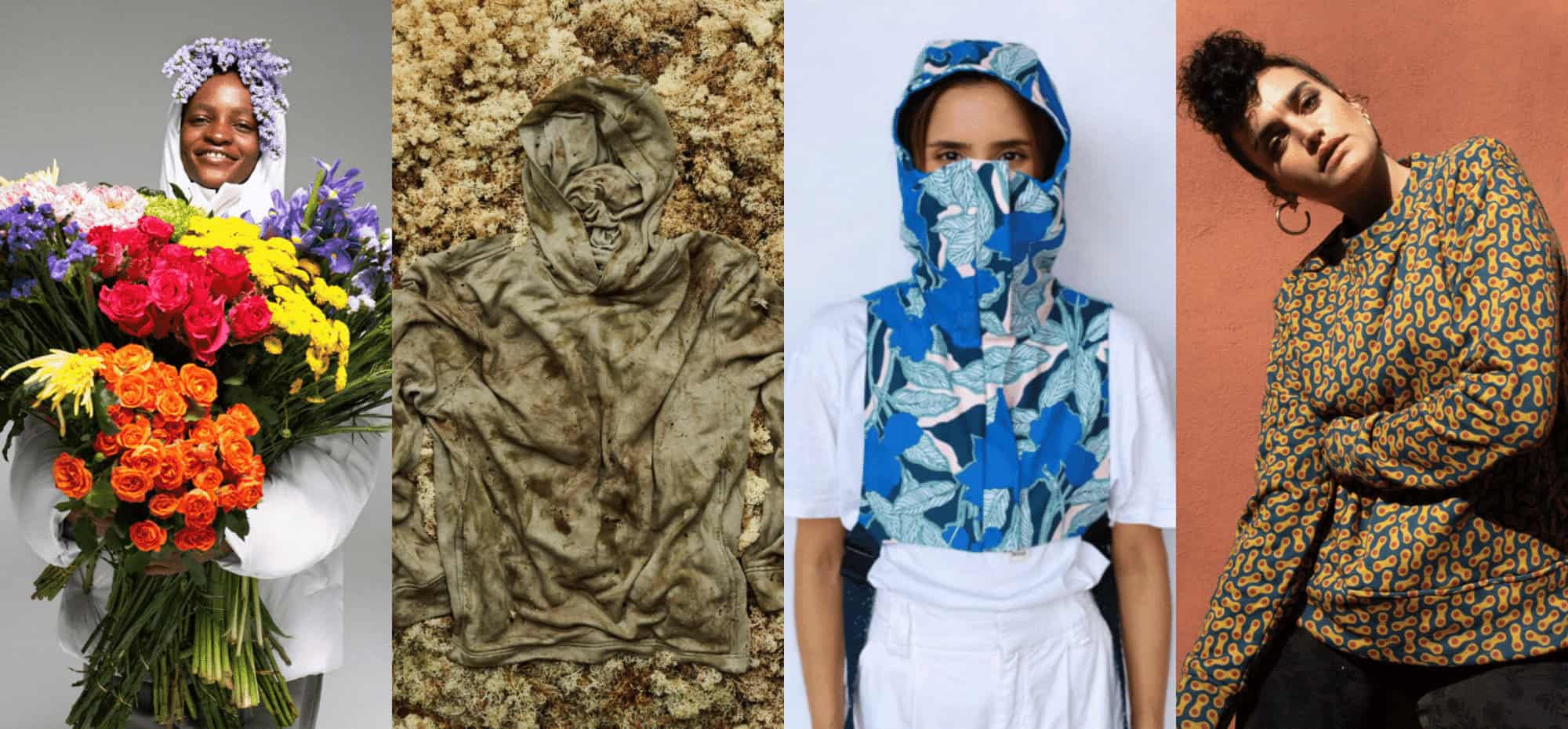
Sustainable Fashion Innovations Shaping 2026: The Future of Ethical Style Is Here
The fashion industry produces 10% of global carbon emissions annually — more than international aviation and shipping combined. But something remarkable is happening. As we move into 2026, a wave of sustainable fashion innovations is fundamentally rewriting the rules of how we design, produce, and consume clothing. For eco-conscious consumers, ethical shoppers, and fashion activists, this moment represents the most exciting and consequential shift the industry has ever seen.
This article explores the groundbreaking sustainable fashion trends, eco-friendly materials, and ethical fashion practices that are transforming runways, retail shelves, and supply chains right now — and what they mean for the choices you make every day.
—

Next-Generation Eco-Friendly Materials Changing Everything

Bioengineered Fabrics Born From Science
One of the most transformative developments in sustainable fashion is the rise of lab-grown and bioengineered textiles. Brands and material scientists are cultivating leather alternatives from mycelium (mushroom roots), growing silk proteins without silkworms, and engineering cotton-like fibers from agricultural waste. Companies like Bolt Threads and Modern Meadow have pioneered this space, proving that luxury and sustainability are not mutually exclusive.
These innovative fashion solutions eliminate the environmental devastation caused by traditional livestock farming and conventional cotton cultivation, which together consume billions of gallons of water and generate significant greenhouse gas emissions annually.
Algae, Seaweed, and Ocean-Derived Textiles
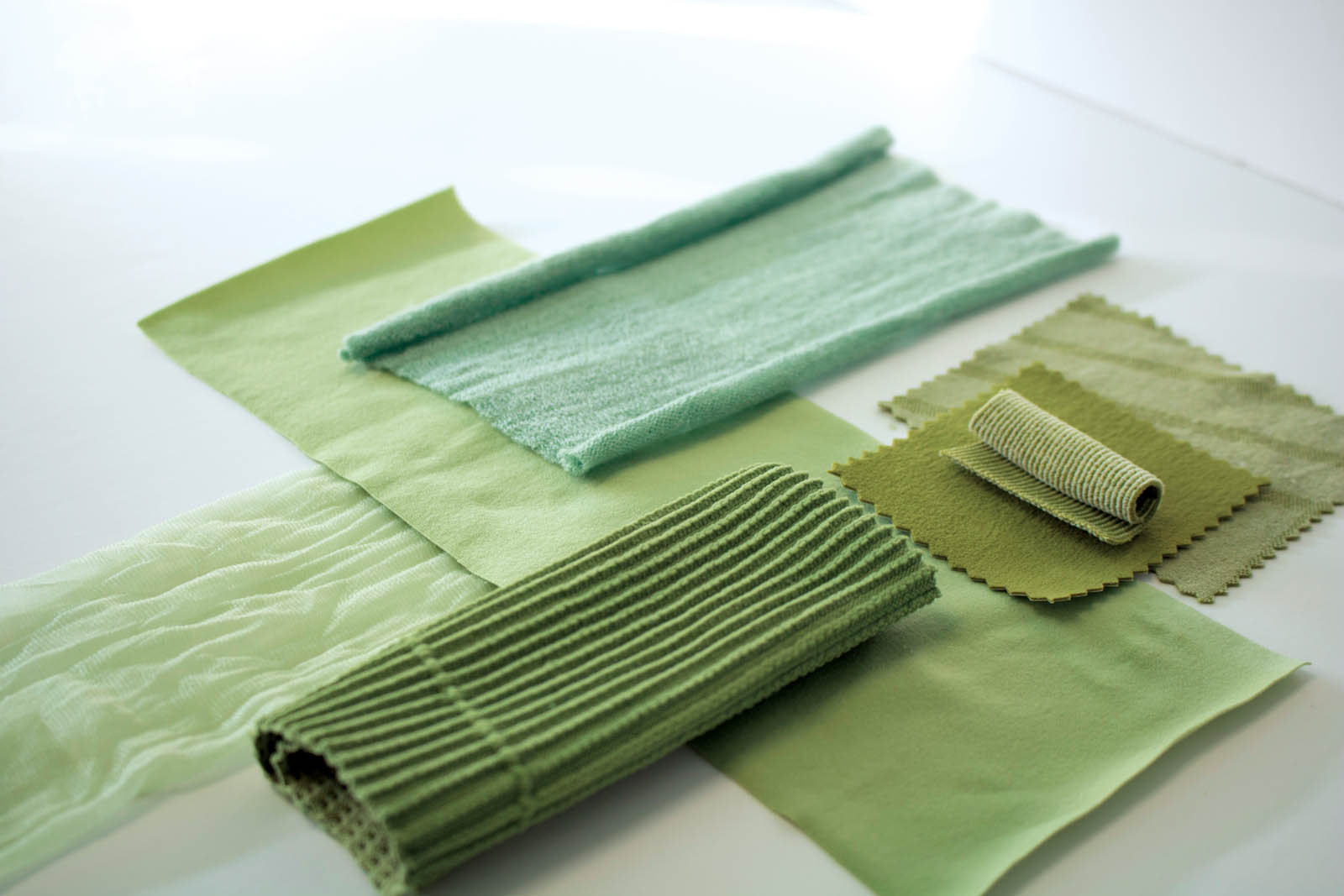
Marine-based materials are gaining serious momentum in 2026. Algae-based dyes replace toxic synthetic colorants, while seaweed fibers offer a naturally biodegradable alternative to petroleum-based synthetics. These ocean-derived materials actively contribute to healthier marine ecosystems during cultivation, making them a net-positive choice for the planet.
Designers are incorporating these materials into everything from activewear to evening gowns, demonstrating that eco-friendly materials can meet the highest standards of performance and aesthetics.
Recycled and Upcycled Textiles at Scale
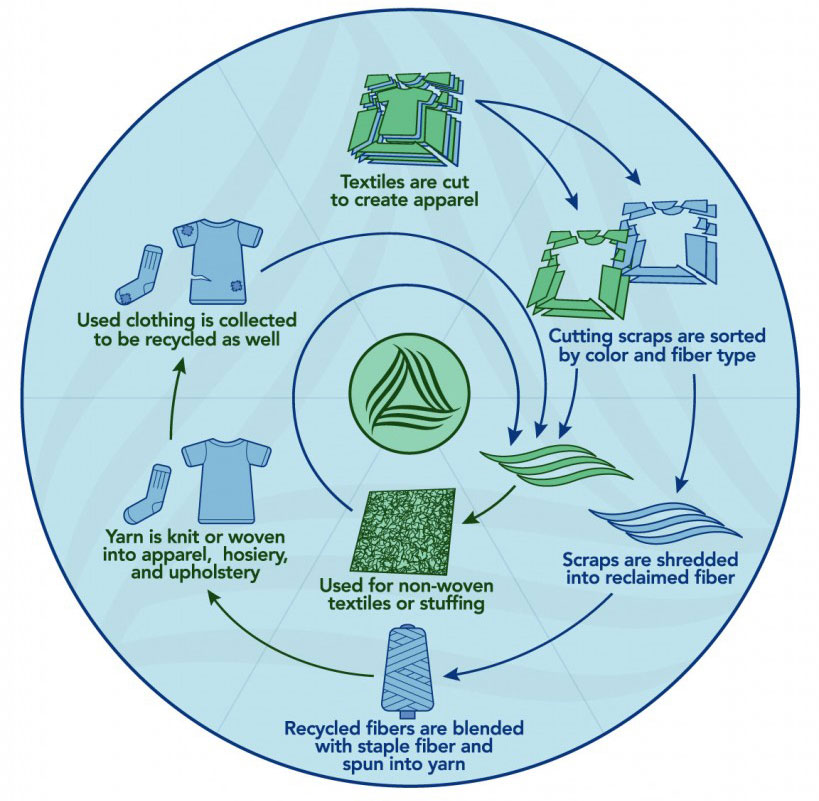
Recycled polyester derived from post-consumer plastic bottles has been around for years, but 2026 marks the era of true textile-to-textile recycling. Advanced chemical recycling technologies can now break down blended fabrics — historically impossible to recycle — back into their raw fiber components. This closes the loop on fashion’s notorious waste cycle and represents one of the most significant ethical fashion practices emerging today.
—

Ethical Fashion Practices Redefining the Industry Standard
Radical Supply Chain Transparency
Consumers are demanding to know exactly where their clothes come from, who made them, and under what conditions. In response, leading sustainable fashion brands are adopting blockchain technology to create immutable, publicly accessible records of every step in their supply chains. Shoppers can now scan a QR code on a garment’s label and trace the journey of every fiber from farm to finished product.
This level of transparency holds brands accountable and empowers consumers to make genuinely informed purchasing decisions — a cornerstone of the ethical fashion movement.
Fair Wages and Worker Empowerment Programs
Sustainable fashion in 2026 extends well beyond environmental concerns. Ethical brands are implementing living wage guarantees, worker-owned cooperative models, and skills development programs that give garment workers genuine economic security and agency. Organizations like the Fair Wear Foundation continue to certify brands that meet rigorous labor standards across global supply chains.
This human-centered approach recognizes that true sustainability must include the people who make our clothes, not just the planet they live on.
Regenerative Agriculture for Natural Fibers
Forward-thinking brands are moving beyond “doing less harm” to actively restoring ecosystems. Regenerative agriculture practices for growing cotton, wool, and linen rebuild soil health, sequester carbon, and restore biodiversity. Patagonia’s regenerative organic certification program exemplifies this approach, setting a new benchmark for what ethical sourcing genuinely looks like.
—
Innovative Fashion Solutions Driving Circular Consumption
Rental, Resale, and Repair Economies Surge
The ownership model of fashion is evolving rapidly. Clothing rental platforms, peer-to-peer resale marketplaces, and brand-sponsored repair programs are becoming mainstream sustainable fashion trends that appeal to both budget-conscious and eco-conscious consumers. Every garment that is repaired, rented, or resold displaces the need for a new item to be produced, directly reducing resource consumption and waste.
Brands like Eileen Fisher have built comprehensive take-back and resale programs, while platforms like Rent the Runway and ThredUp continue to scale their circular fashion models to millions of users.
On-Demand and Zero-Waste Manufacturing
Overproduction is one of fashion’s most destructive habits — billions of unsold garments are incinerated or landfilled every year. On-demand manufacturing, enabled by advanced digital design tools and agile production facilities, creates garments only when a customer orders them. This innovative fashion solution eliminates dead stock entirely and dramatically reduces waste.
Complementing this approach, zero-waste pattern cutting techniques ensure that fabric offcuts are designed out of the process from the very beginning, with some designers achieving near-zero fabric waste in their production runs.
Wearable Technology Meets Sustainability
Smart textiles embedded with sensors that monitor garment health and usage patterns are helping consumers extend the life of their clothing. Some innovative garments can even signal when they need repair before damage becomes irreversible. Technology is becoming a powerful ally in the fight against fast fashion, helping people value and care for their wardrobes more intentionally.
—
How Sustainable Fashion Trends Are Reaching Mainstream Consumers
The most important development in 2026 may be that sustainable fashion is no longer a niche concern. Major retailers are integrating eco-friendly collections, governments in the European Union are enacting extended producer responsibility legislation, and younger consumers are consistently prioritizing sustainability in their purchasing decisions.
Education and accessibility remain critical. Sustainable options must be affordable and available to all consumers, not just those with premium purchasing power. Innovative brands are rising to this challenge by optimizing production costs through technology, direct-to-consumer models, and community-supported fashion initiatives.
—
Make Your Fashion Choices Count
The innovations shaping sustainable fashion in 2026 are extraordinary — but they only succeed when consumers choose to support them. Every purchase you make is a vote for the kind of fashion industry you want to exist.
Here is how you can make a meaningful difference today:
- Research brands using tools like Good On You, which rates brands on environmental and ethical performance
- Prioritize quality over quantity and invest in garments designed to last
- Explore rental and resale platforms before buying new
- Support brands committed to transparency, fair wages, and regenerative practices
- Advocate for policy change by supporting fashion legislation that holds brands accountable
The future of fashion is being written right now — by innovators, activists, and by the everyday choices of consumers like you. Support sustainable fashion brands, demand better from the industry, and wear your values with pride. The planet, and the people who make your clothes, are counting on it.
—
Explore our curated directory of certified sustainable fashion brands and start building a wardrobe that reflects your values.