
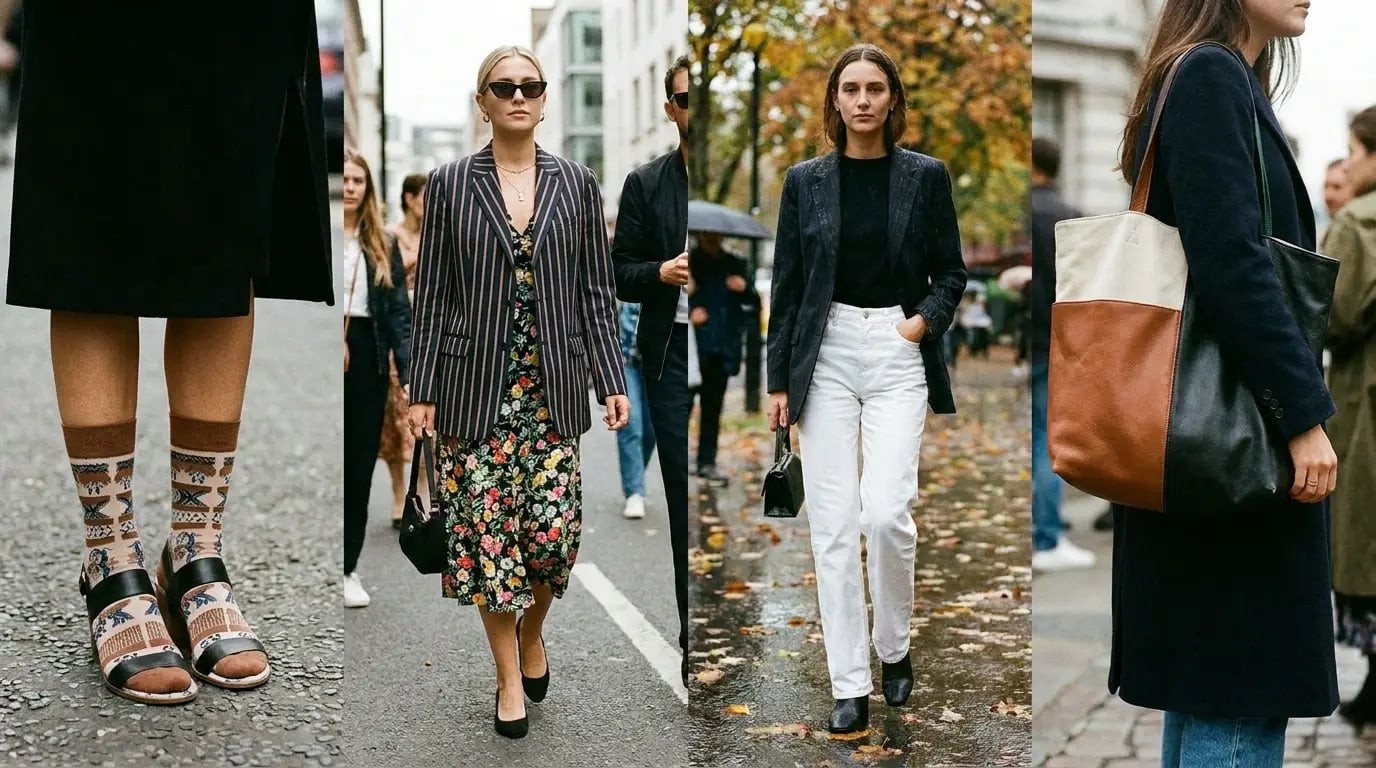
Every beginner in fashion hears the same set of rules: never wear white after Labor Day, always match your metals, and don’t mix patterns. However, after observing what style-conscious people actually wear, you’ll quickly notice that most of these so-called commandments are routinely ignored. In practice, understanding which guidelines to break can actually elevate your style more than blindly following outdated advice.
The truth is that modern fashion has evolved into a form of personal expression rather than a rigid rulebook. While traditional guidelines were designed to create uniformity and social order, today’s approach emphasizes individuality and creative mixing. This beginner’s guide explores the most commonly broken fashion rules and explains why breaking them can work in your favor, helping you develop a personal style that feels authentic rather than prescribed.
The White After Labor Day Myth
Perhaps the most famous fashion rule that nobody follows anymore is the prohibition against wearing white after Labor Day. This guideline originated in the early 20th century as a class marker among wealthy Americans who wore lighter fabrics during summer vacations and switched to darker, heavier materials when returning to the city. Today, white clothing appears year-round on runways and streets alike.
Winter whites have become a staple in contemporary wardrobes. Cream-colored sweaters, ivory trousers, and white coats provide sophisticated alternatives to the usual dark winter palette. The key lies in choosing appropriate fabrics—opt for heavier materials like wool, cashmere, or structured cotton rather than lightweight summer linens.
Fashion designers and style experts have completely abandoned this outdated restriction. Many upcoming fashion trends feature white pieces prominently throughout all seasons, demonstrating that the rule has lost its relevance in modern styling.
Pattern Mixing: Breaking the Matching Rule
Traditional advice warns against combining different patterns in one outfit, yet pattern mixing has become a hallmark of advanced style. The secret is understanding scale and color coordination rather than avoiding combinations altogether. A common mistake is thinking patterns must never touch, when actually mixing stripes with florals or plaids with polka dots can create visually interesting ensembles.
When mixing patterns successfully, consider these practical approaches. First, keep one pattern dominant and the other subtle. For instance, pair a bold floral top with thin pinstripes. Second, use a common color to tie patterns together—if both pieces share even one hue, they’ll feel cohesive. Third, vary the scale so patterns don’t compete visually.
Pattern Combination Guidelines
| Pattern Type | Pairs Well With | Key Consideration |
|---|---|---|
| Bold Florals | Thin Stripes, Small Dots | Keep secondary pattern subtle |
| Large Plaid | Small Checks, Houndstooth | Match color families |
| Animal Print | Geometric Patterns | Use neutral tones |
| Polka Dots | Stripes, Florals | Vary dot and pattern size |
Additionally, starting with two patterns before advancing to three creates a safer learning curve. Incorporating coordinated color palettes helps tie disparate patterns together naturally.
Metal Mixing and Jewelry Combinations
The old rule about never mixing gold and silver jewelry has been thoroughly debunked by contemporary designers. Modern jewelry often intentionally combines metals to create dimension and visual interest. What works well is balancing the proportion—if you wear predominantly gold pieces, adding one silver accent creates contrast without chaos.
Moreover, rose gold has effectively bridged the gap between traditional metals, making mixed-metal styling even more accessible. Many high-end jewelry designers now create pieces that intentionally feature two or three metal tones within a single item, proving that combination enhances rather than detracts from elegance.
The practical benefit of ignoring this rule is wardrobe versatility. You’re no longer constrained to specific jewelry sets, allowing you to wear your favorite pieces regardless of their finish. This approach aligns perfectly with modern lifestyle approaches that prioritize personal preference over arbitrary restrictions.
Black and Navy Together
Conventional wisdom once declared that black and navy should never appear in the same outfit because they’re “too similar.” This guideline ignores the sophisticated depth that these two dark neutrals create together. In reality, navy and black pairing has become a styling staple precisely because the subtle contrast adds refinement.
The combination works particularly well when textures differ. For example, a black leather jacket over a navy sweater creates visual separation through material variation. Similarly, navy trousers with a black blazer form a professional ensemble that’s more interesting than the traditional all-black or all-navy alternatives.
According to fashion design principles, monochromatic and near-monochromatic color schemes actually create elongating effects that flatter most body types. Therefore, this once-forbidden combination serves both aesthetic and practical purposes.
Successful Black and Navy Combinations
When styling these colors together, consider these effective approaches:
- Use different textures to create visual distinction between pieces
- Add a third neutral like white or gray to break up the darkness
- Choose one color for larger pieces and the other for accents
- Incorporate metallic accessories to add dimension
Furthermore, understanding color relationships and trends helps you combine traditionally separated shades with confidence.
Dressing for Your Body Type
The concept of strict body-type dressing rules—pear shapes should avoid this, apple shapes must wear that—has evolved dramatically. While understanding proportions remains valuable, the rigid categorization system often limits rather than liberates personal style. Contemporary styling focuses on wearing what makes you feel confident rather than adhering to prescriptive guidelines.
Many style influencers now advocate for trying “forbidden” silhouettes to discover what actually works for your unique proportions. The supposed rule that petite individuals should avoid maxi dresses, for instance, ignores how vertical lines and proper hemming can create elegant looks regardless of height. What works well is experimentation guided by comfort and confidence rather than outdated charts.
Additionally, body positivity movements have challenged the notion that certain bodies shouldn’t wear specific styles. Crop tops, horizontal stripes, and fitted clothing are now worn across all body types by people who prioritize self-expression over conformity. Exploring various fashion perspectives and stories reveals how diverse styling approaches have replaced one-size-fits-all rules.
Building Confidence Beyond Body-Type Rules
Instead of following prescriptive guidelines, focus on these practical strategies:
- Try clothes in various silhouettes to understand what feels comfortable and looks flattering to your eye
- Use tailoring to customize fit rather than avoiding entire categories
- Pay attention to proportions—where items hit on your frame matters more than the style itself
- Prioritize how clothing makes you feel over whether it follows traditional “rules”
The shift away from restrictive body-type guidelines reflects broader changes in how we approach personal style. Rather than following predetermined formulas, successful styling comes from understanding your preferences and experimenting with different looks until you find what resonates.
For those interested in exploring more comprehensive style guidance, our fashion resources provide diverse perspectives on developing personal aesthetics beyond traditional constraints. Fashion ultimately serves as a tool for self-expression rather than a test of rule-following, and understanding which guidelines to break helps you develop authentic style that reflects who you are rather than who conventional wisdom says you should be.