Shein Review: Is Fast Fashion Worth the Hype? In a world where trends change faster than you can scroll through your feed, Shein has emerged as the poster child of fast fashion—offering an endless array of styles at prices that make your wallet weep with joy. But beneath the surface of those irresistible deals lies a complex tapestry woven from ethical concerns, environmental impacts, and quality questions. As consumers increasingly grapple with what it means to shop responsibly in our hyper-connected age, we’re diving deep into the glitzy allure of Shein. Join us as we explore whether this trendy titan truly lives up to its buzz or if it’s just another fleeting fad destined for yesterday’s headlines! Buckle up; it’s time to unravel the colorful threads of this fast-fashion phenomenon!
Introduction to Shein and Fast Fashion
Fast fashion has taken the retail world by storm, redefining how we shop for clothes. Among the most talked-about brands in this arena is Shein, a name that seems to pop up everywhere from social media feeds to influencer hauls. With its promise of trendy styles at incredibly low prices, it’s no surprise that shoppers are drawn to what Shein offers. But with convenience and affordability often comes a cloud of controversy.
What makes Shein stand out in the crowded fast-fashion landscape? And more importantly, is it really worth all the hype surrounding it? Join me as we dive deeper into the world of Shein—its history, controversies, pros and cons—and see if this fast-fashion giant deserves a place in your wardrobe or if there are better alternatives waiting just around the corner.
History of Shein and its business model
Shein originated in 2008, founded by Chris Xu. Initially focused on selling wedding dresses online, it quickly evolved to cater to a broader audience.
Its business model is built around fast fashion—rapidly producing trendy clothing at low prices. This approach enables Shein to deliver new styles weekly, keeping up with ever-changing consumer tastes.
The brand leverages data analytics and social media trends for design inspiration. By tracking what’s popular online, it can create items that resonate with shoppers almost instantly.
Manufacturing primarily occurs in China, where costs are kept low due to efficient supply chains and production practices. This allows for competitive pricing without sacrificing variety.
Through aggressive marketing strategies and influencer partnerships, Shein has successfully captured the attention of Gen Z consumers worldwide. The result? A shopping experience that thrives on immediacy and affordability.
The Controversies surrounding Shein
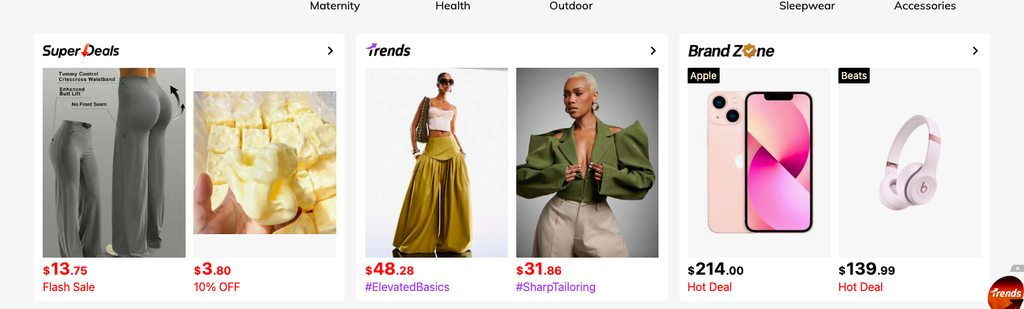
Shein has faced significant backlash over its labor practices. Reports indicate that many workers in factories producing Shein clothing endure poor working conditions and low wages. Activists argue this exploitation is a hallmark of the fast fashion industry.
Another point of contention involves intellectual property theft. Several designers have accused Shein of copying their original works without permission, leading to legal battles and public outcry from creators who feel undervalued.
Environmental concerns also surround the brand’s production methods. The sheer volume of clothes churned out contributes heavily to waste, with millions of garments ending up in landfills every year.
Moreover, transparency issues plague Shein’s operations. Critics argue that the company lacks clarity about sourcing materials and manufacturing processes, making it difficult for consumers to make informed choices regarding ethical shopping practices.
Quality of Products: Personal Experience and Customer Reviews
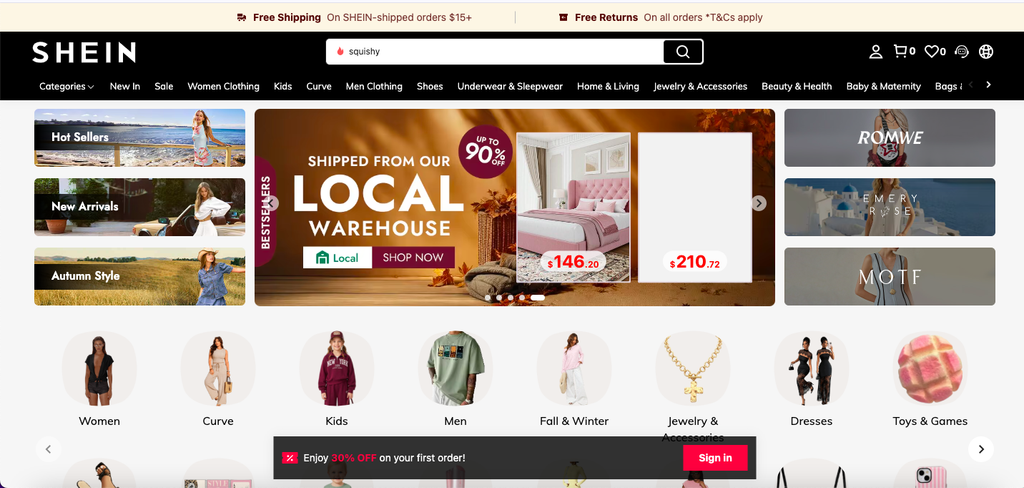
When browsing Shein, I was curious about the quality of their products. Many items are incredibly affordable, which raised a red flag for me. However, I decided to give it a shot and ordered a few pieces.
Upon arrival, my excitement quickly turned into mixed feelings. Some items felt decently made with fun designs that matched what I saw online. Yet others? The fabric felt cheap and didn’t hold up well after just one wash.
Scouring customer reviews revealed similar sentiments. Shoppers praised the trendy styles but often complained about durability issues or sizing inconsistencies.
It seems like luck plays a role in finding standout pieces versus potential duds. While many love the thrill of discovering bargains on Shein, it’s essential to manage expectations regarding longevity and quality standards when shopping here.
Sustainability Concerns with Fast Fashion
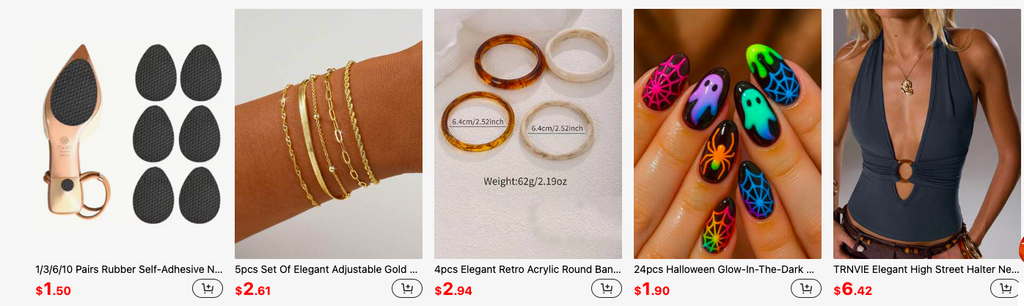
Fast fashion has revolutionized the way we shop, but it comes at a steep environmental price. The rapid production cycles lead to excessive waste, as garments are often discarded after just a few wears.
Water usage is another critical issue. It takes thousands of liters to produce just one pair of jeans, straining local water sources and contributing to pollution.
Moreover, many fast fashion brands rely on cheap labor in countries with lax regulations. This raises ethical concerns about workers’ rights and safety.
The synthetic materials commonly used in these clothes do not biodegrade easily, piling up in landfills for decades. As plastic fibers enter oceans, they pose threats to marine life.
Conclusion
When it comes to Shein, the allure is undeniable. The vast selection of trendy styles at undeniably low prices draws many shoppers in. However, this fast fashion giant also brings with it a host of controversies that cannot be overlooked.
Sustainability concerns loom large over the brand’s business model. Fast fashion contributes significantly to environmental degradation and unethical labor practices. While it’s tempting to snag a cute outfit for a fraction of what you’d pay elsewhere, one must consider the broader implications behind those savings.
Ultimately, whether Shein is worth the hype depends largely on individual values and priorities as a consumer. If affordability trumps all else for you, Shein might deliver just what you’re looking for; however, if ethical considerations weigh heavily in your purchasing decisions, exploring other avenues could lead to better choices aligned with your beliefs.