Forever21 Review: Is It Worth the Hype or Just Fast Fashion?**In a world where trends come and go faster than you can scroll through your Instagram feed, Forever21 stands out as a beacon of youthful exuberance and affordability. But with its dizzying array of styles and ever-changing inventory, one question lingers in the air: is this fast-fashion giant truly worth the hype? As shoppers flock to their stores (or online carts) in search of that perfect outfit, we dive deep into the allure of Forever21. From quality versus quantity to sustainability concerns and style versatility, join us on a journey to uncover whether this fashion phenomenon lives up to its reputation or is simply another fleeting trend in the bustling marketplace. Buckle up for an honest review—your next wardrobe update might just depend on it!
Introduction to Forever21 and its popularity
Forever21 has become synonymous with trendy, affordable fashion. With its eye-catching displays and budget-friendly prices, it’s no wonder the brand has captured the hearts of countless shoppers. Whether you’re a teenager seeking stylish pieces or an adult looking for a quick outfit refresh, Forever21 seems to have something for everyone.
But is all that glitters truly gold? As we dive into this popular retailer’s business model and offerings, we’ll explore whether Forever21 lives up to the hype or simply contributes to the fast fashion frenzy. From quality concerns to ethical considerations, there’s much more under the surface than meets the eye. So let’s unravel what makes Forever21 tick and determine if it’s really worth your hard-earned cash!
History of the brand and its business model
Forever21 was founded in 1984 by Do Won Chang and his wife, Jin Sook. Beginning as a small store in Los Angeles, it catered to young shoppers looking for trendy styles at affordable prices. The brand quickly gained traction.
The business model revolves around fast fashion. It focuses on producing clothing that reflects the latest trends seen on runways and social media. This approach enables rapid inventory turnover.
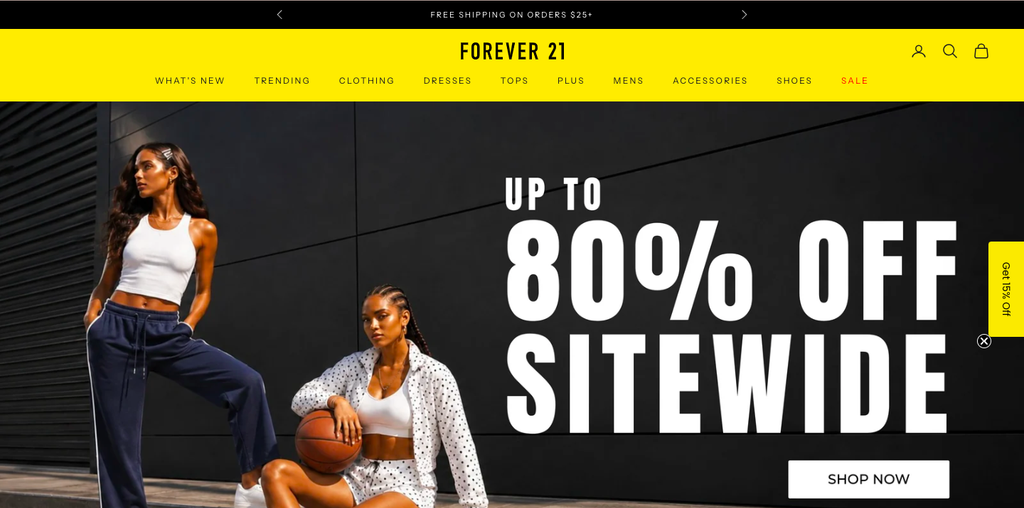
They emphasize low prices to attract budget-conscious consumers. By frequently updating their collections, Forever21 keeps customers returning for fresh options.
Over time, the brand expanded globally, reaching various markets with its youthful vibe and diverse offerings. However, this growth came with challenges related to sustainability and ethical practices within the industry.
Quality of clothing and customer reviews
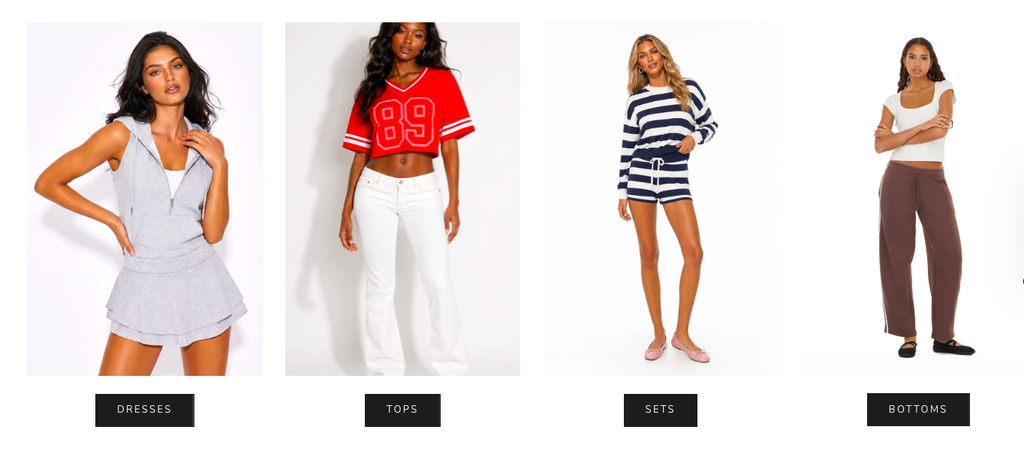
When it comes to the quality of clothing at Forever21, opinions vary widely. Many shoppers appreciate the trendy designs and affordable prices, making it easy to stay stylish on a budget. However, others have noticed that some items may not withstand frequent wear.
Customer reviews often highlight fabric durability as a concern. Shoppers frequently report that certain pieces lose shape after a few washes or start showing signs of wear quickly. Yet, there are also fans who rave about finding gems in their collections—like well-structured dresses or cozy sweaters.
The sizing can be hit-or-miss too. While some find their perfect fit right away, others struggle with inconsistencies across different styles. This unpredictability can lead to frustration during online shopping experiences.
Ultimately, customer feedback showcases both love for unique fashion finds and wariness over long-term quality.
Ethical concerns surrounding fast fashion and Forever21’s sustainability efforts
Fast fashion has been a hot topic in recent years, and Forever21 is often at the center of the discussion. The brand’s rapid production cycles mean trendy clothes come at a low price point. However, this comes with significant ethical concerns.
Many question the environmental impact of such a model. From water waste to chemical pollution, fast fashion brands contribute heavily to ecological degradation. Critics argue that companies like Forever21 prioritize profit over planet.
Moreover, labor practices have come under scrutiny as well. Reports suggest poor working conditions and inadequate wages for workers producing these garments overseas.
In response to growing criticisms, Forever21 has attempted sustainability initiatives. These include limited eco-friendly collections and recycling programs aimed at reducing textile waste.
However, many feel these efforts lack depth and commitment necessary for genuine change in an industry notorious for its unsustainable practices.
Conclusion: Is it worth the hype or just contributing to fast fashion?
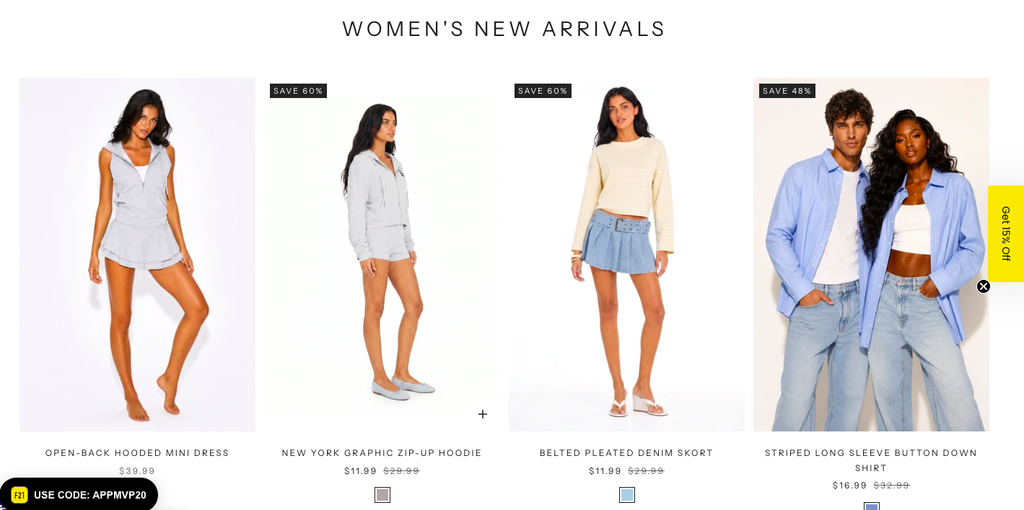
The debate surrounding Forever21 continues to spark interest among shoppers. On one hand, it offers trendy pieces at prices that appeal to many young consumers. The brand’s ability to keep up with the latest fashion trends is impressive, and its wide variety allows for self-expression without breaking the bank.
However, there are significant drawbacks worth considering. The quality of clothing can be hit or miss, often leading to short-lived garments that contribute to a cycle of fast fashion consumption. Additionally, ethical concerns loom large as discussions about sustainable practices gain momentum in today’s society.
Ultimately, whether Forever21 is worth the hype comes down to individual values and priorities when it comes to fashion choices. If budget-friendly options outweigh concerns about quality or ethics for you personally, then maybe shopping there fits your lifestyle just fine. But if long-term sustainability matters more than low prices for you? That’s where things get complicated.